
Physiotherapy
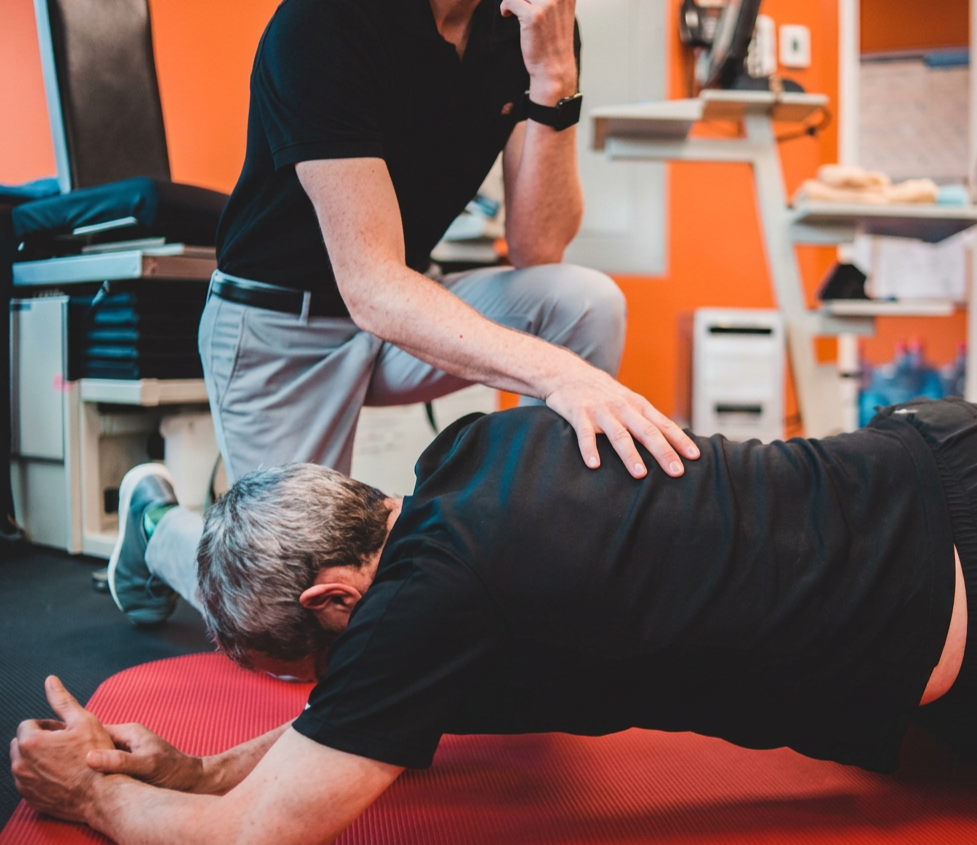
Physiotherapy helps reduce pain, restore movement, and improve strength so you can get back to doing the things you enjoy. At Nova, we believe in an active, evidence-based approach that combines hands-on treatment, exercise, and education to support long-term recovery.
Every treatment plan is tailored to the individual, with a focus on understanding the root cause of symptoms and building lasting results — not just temporary relief.
Conditions We Commonly Treat
Shoulder
-
Pain and irritation in the shoulder often related to overhead movement, weakness, or movement dysfunction. Treatment focuses on improving mobility, strength, and shoulder mechanics.
-
Weakness or irritation of the rotator cuff muscles can lead to pain, reduced strength, and difficulty lifting the arm. Physiotherapy focuses on restoring shoulder stability and function.
-
Shoulder instability can occur after dislocations or repetitive strain and may cause feelings of looseness or weakness. Rehabilitation focuses on improving control, stability, and confidence.
-
Frozen shoulder causes pain and progressive stiffness that can significantly limit movement. Treatment focuses on improving mobility, reducing pain, and restoring function.
-
AC joint injuries commonly occur from falls or direct impact to the shoulder. Rehabilitation helps restore mobility, strength, and tolerance to activity.
-
Shoulder arthritis can lead to stiffness, pain, and reduced mobility. Physiotherapy helps improve movement, strength, and daily function.
-
Bursitis involves irritation of the fluid-filled sacs that help reduce friction around joints. Physiotherapy can help reduce irritation and improve movement tolerance.
-
Labral injuries affect the cartilage surrounding the shoulder joint and may cause pain, clicking, or instability. Treatment focuses on improving stability, strength, and shoulder function.
Hip/ Groin
-
Hip pain can result from mobility restrictions, muscle weakness, overuse, or joint irritation. Physiotherapy helps improve movement, strength, and function.
-
Hip impingement can cause pain and stiffness with movement, particularly during squatting or activity. Treatment focuses on mobility, strength, and movement mechanics.
-
This condition commonly causes pain along the outside of the hip. Physiotherapy focuses on improving hip strength and reducing tendon irritation.
-
Hip flexor strains can occur during sport, running, or sudden movements. Rehabilitation focuses on restoring mobility, strength, and return to activity.
-
Piriformis syndrome may cause pain or irritation through the buttock and into the leg. Treatment focuses on improving mobility and reducing muscle tension.
-
Groin strains commonly occur during sport or rapid movement changes. Physiotherapy focuses on restoring strength, mobility, and return to activity.
Knee
-
ACL injuries commonly occur during sport or twisting movements and can significantly affect knee stability. Rehabilitation focuses on restoring strength, mobility, and confidence.
-
Meniscus injuries can cause knee pain, swelling, locking, and reduced mobility. Physiotherapy focuses on improving strength and knee function.
-
Pain around the kneecap is often related to movement mechanics, strength deficits, or overuse. Treatment focuses on improving control and reducing irritation.
-
Ligament sprains involve injury to the supporting structures around a joint. Rehabilitation focuses on stability, strength, and safe return to activity.
-
Muscle strains occur when tissue becomes overstretched or overloaded. Physiotherapy helps restore mobility, strength, and movement tolerance.
-
Tendon irritation or overuse can cause pain and reduced function. Treatment focuses on progressive strengthening and improving tissue capacity.
-
IT band syndrome commonly causes pain along the outside of the knee during running or activity. Physiotherapy focuses on strength, mobility, and load management.
-
Runner’s knee refers to irritation around the kneecap commonly seen with running and repetitive activity. Treatment focuses on strength and movement mechanics.
-
Osteoarthritis can lead to stiffness, pain, and reduced mobility. Physiotherapy helps improve strength, movement, and overall function.
-
Rehabilitation following knee replacement surgery helps restore mobility, walking tolerance, and strength during recovery.
Neck
-
Neck pain can result from posture, stress, injury, or movement dysfunction. Treatment focuses on improving mobility, reducing pain, and restoring normal movement.
-
Whiplash injuries commonly occur following motor vehicle accidents and can cause neck pain, stiffness, and headaches. Physiotherapy helps restore movement and reduce symptoms.
-
These headaches originate from dysfunction in the neck and surrounding structures. Treatment focuses on improving neck mobility, posture, and muscle control.
-
Poor posture can contribute to stiffness, tension, and pain throughout the neck and upper back. Physiotherapy focuses on movement awareness, mobility, and strength.
-
A pinched nerve in the neck can cause pain, numbness, or tingling into the arm. Treatment focuses on reducing irritation and improving neck and nerve mobility.
Upper Back/ Spine
-
Upper back pain can result from posture, stiffness, muscle tension, or repetitive strain. Physiotherapy focuses on improving mobility, posture, and movement tolerance.
-
Restricted movement in the upper back can contribute to pain and limited mobility. Treatment focuses on restoring movement and improving function.
-
Rib dysfunction can cause pain with breathing, twisting, or movement. Physiotherapy focuses on improving mobility and reducing discomfort.
Foot / Ankle
-
Plantar fasciitis commonly causes pain along the bottom of the foot, particularly with the first steps in the morning. Treatment focuses on reducing irritation and improving mobility.
-
Achilles tendon irritation can cause pain during walking, running, or activity. Physiotherapy focuses on progressive strengthening and improving tendon capacity.
-
Ankle sprains commonly occur during sport or awkward movement and can lead to instability and weakness. Rehabilitation focuses on restoring mobility and balance.
-
Shin splints commonly occur with running or increased training volume and can cause pain along the shin. Physiotherapy focuses on load management and strength.
-
Foot pain can result from overuse, mobility restrictions, or biomechanical issues. Treatment focuses on improving movement and reducing irritation.
-
Running injuries can develop from training errors, mobility limitations, or strength deficits. Treatment focuses on addressing contributing factors and improving running tolerance.
Workplace & Motor Vehicle Injuries
-
Work injuries can result from repetitive strain, lifting demands, prolonged postures, or acute incidents. Rehabilitation focuses on restoring function and return to work.
-
Repetitive movements and prolonged loading can contribute to pain and irritation in muscles, tendons, and joints. Treatment focuses on movement, strength, and symptom management.
-
Motor vehicle accidents can lead to neck pain, back pain, headaches, stiffness, and mobility limitations. Physiotherapy focuses on restoring movement and reducing symptoms.
-
WPNL rehabilitation focuses on supporting recovery and safe return to work following workplace injury.
Elbow/ Wrist
-
Tennis elbow involves irritation of the tendons on the outside of the elbow, often from repetitive gripping or lifting. Treatment focuses on reducing irritation and improving strength.
-
Golfer’s elbow causes pain along the inside of the elbow due to repetitive strain. Physiotherapy focuses on restoring strength and improving load tolerance.
-
Carpal tunnel syndrome can cause numbness, tingling, or weakness in the hand and wrist. Treatment focuses on reducing nerve irritation and improving function.
-
Overuse or repetitive loading can irritate the tendons around the wrist. Rehabilitation focuses on improving mobility, strength, and tolerance to activity.
-
This condition causes pain near the thumb and wrist, often aggravated by gripping or lifting. Physiotherapy can help reduce irritation and improve hand function.
-
Thumb pain and arthritis can affect gripping, lifting, and daily activities. Treatment focuses on improving mobility, strength, and symptom management.
Lower Back
-
Lower back pain is one of the most common musculoskeletal conditions and can affect movement, work, and activity. Treatment focuses on mobility, strength, and long-term management.
-
Sciatica refers to irritation of the sciatic nerve, often causing pain or tingling into the leg. Physiotherapy focuses on reducing nerve irritation and improving movement.
-
Disc injuries or irritation can contribute to back pain and stiffness. Rehabilitation focuses on movement, strength, and improving tolerance to activity.
-
SI joint dysfunction can cause pain around the lower back, pelvis, or hips. Treatment focuses on improving stability, movement, and load tolerance.
-
Persistent back pain can affect daily function and quality of life. Physiotherapy focuses on improving strength, movement confidence, and long-term symptom management.
Sport Injuries
-
Overuse injuries develop gradually from repetitive stress without adequate recovery. Physiotherapy focuses on load management and progressive strengthening.
-
Running injuries can affect the foot, knee, hip, or lower back. Treatment focuses on improving strength, mobility, and running tolerance.
-
Return-to-sport rehab focuses on safely progressing strength, movement, and performance following injury or surgery.
-
Objective testing can help identify strength deficits, movement limitations, and performance markers to guide rehabilitation and training.
-
KIN-COM testing provides precise, objective measurements of strength and muscle performance to support rehabilitation and return-to-sport planning.
General Physiotherapy
-
Chronic pain can affect movement, activity, sleep, and quality of life. Physiotherapy focuses on improving function, strength, and confidence with movement.
-
Mobility restrictions can affect daily movement, activity, and performance. Treatment focuses on improving flexibility, joint mobility, and movement quality.
-
Balance and stability deficits can increase injury risk and affect confidence with movement. Rehabilitation focuses on improving coordination and control.
-
Weakness can contribute to pain, movement dysfunction, and reduced performance. Physiotherapy focuses on progressive strengthening and functional movement.
-
Movement dysfunction can contribute to pain, stiffness, and reduced performance during daily activity or sport. Treatment focuses on improving movement quality and control.
-
Hypermobility can contribute to joint pain, instability, fatigue, and recurrent injuries due to increased joint laxity. Physiotherapy focuses on improving strength, stability, movement control, and confidence with activity.